Can Your AC Cause Mold in Your Boca Raton Home?
Your air conditioner helps keep your Boca Raton home comfortable during hot, humid weather. But if the system has a drainage problem, leaks water, or fails to control indoor humidity, it can create conditions that allow mold to grow.
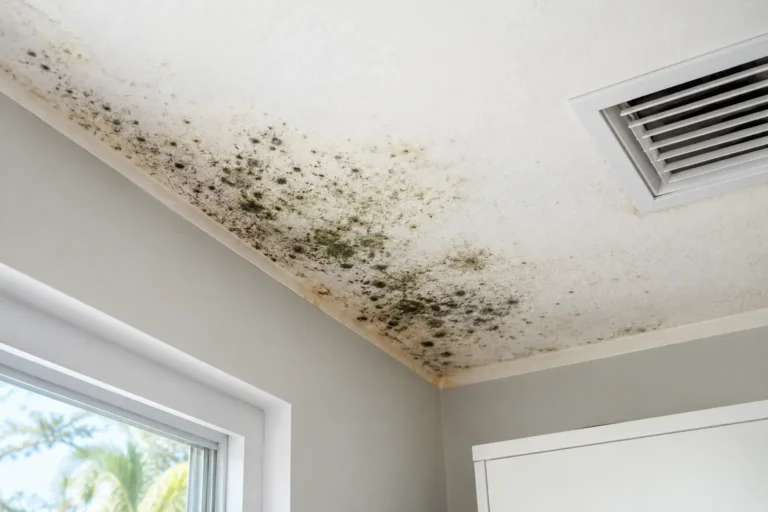
Mold may appear around AC vents, on nearby ceilings, or in areas where moisture has collected. Sometimes, the first sign is a musty smell when the air conditioner turns on. Finding the source of the moisture is the first step toward solving the problem.
How Can an AC System Cause Mold Growth?
An air conditioner removes heat and moisture from indoor air. During this process, condensation forms on the evaporator coil and drains away through a condensate line. When everything works properly, the water leaves the system without causing trouble.
Problems begin when water collects where it should not or indoor humidity stays too high.
Clogged AC Condensate Drain Lines
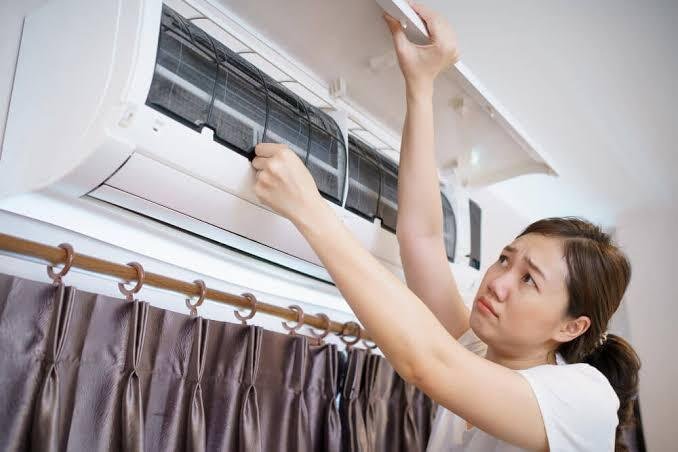
Your AC’s condensate drain line carries water away from the indoor unit. Dust, algae, and other debris can build up inside the line and restrict drainage.
When water cannot drain properly, it may overflow the drain pan and leak onto nearby ceilings, walls, or flooring. If these materials stay damp, mold may develop.
If you notice water around your indoor AC unit or a new ceiling stain beneath it, have the system checked before repairing the damaged area.
Dirty Evaporator Coils and Drain Pans
The evaporator coil collects condensation as warm air passes over its cold surface. Dirt on the coil and standing water in the drain pan can contribute to drainage and moisture problems.
A poorly maintained system may also develop odors or airflow issues. Regular AC maintenance helps keep the coil, drain pan, and drainage system in good condition.
Condensation Around AC Vents and Ducts
Boca Raton’s humid weather can make condensation a problem when warm, moist air meets cold surfaces. This may happen around poorly insulated ducts, ceiling vents, or air conditioning components.
Repeated condensation can dampen nearby drywall, insulation, or other building materials. If the moisture is not addressed, mold may develop on affected surfaces.
High Indoor Humidity and Poor Airflow
An air conditioner may cool a room without removing enough moisture. This can happen when the system is incorrectly sized, short-cycles, or has restricted airflow.
A malfunctioning system may also struggle to maintain comfortable humidity levels. If your home feels clammy even when the AC is running, an HVAC professional can check whether the system is operating properly.
Where Can You Find Mold Related to Your AC?
Mold does not always grow inside the air conditioner itself. Water leaking from the system can affect nearby parts of your home.
Check for visible moisture or unusual discoloration around:
- AC vents and ceiling registers: Dark spots or peeling paint may indicate a moisture problem, although dust can also collect around vents.
- Air handlers and drain pans: Standing water or repeated leaks deserve attention.
- Walls and ceilings: Water stains, bubbling paint, or soft drywall may point to a leak above or behind the surface.
- Ductwork and attic insulation: Condensation or leaks can leave hidden materials damp.
- Closets and poorly ventilated rooms: Rooms with persistent humidity may develop moisture problems even when no AC leak is visible.
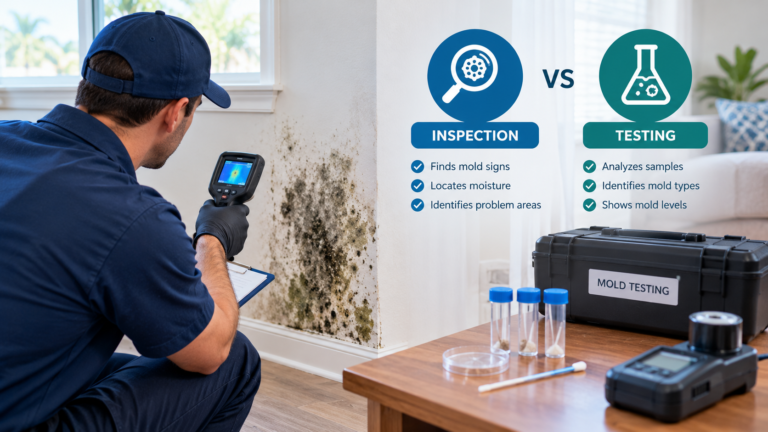
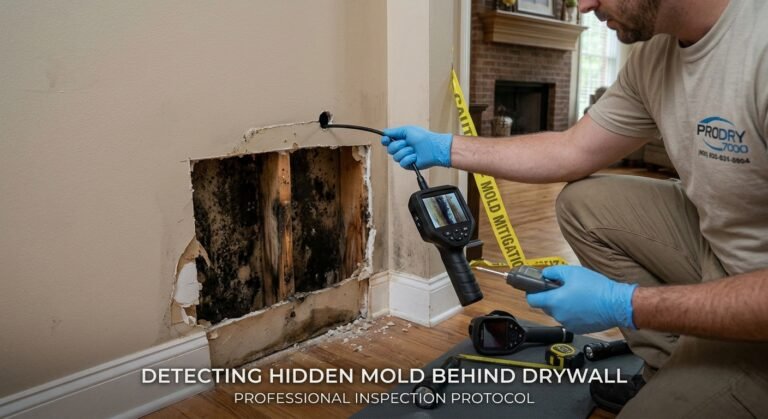
Visible spots alone cannot confirm the presence of mold or reveal how far it may have spread. If you suspect hidden growth, a closer inspection may be necessary.
What Are the Warning Signs of AC-Related Mold?
A musty smell when your AC starts running is one reason to check for moisture problems. However, the smell alone does not prove that mold is present.
Other warning signs include:
- Dark or discolored spots around vents.
- Water stains on ceilings near AC equipment or ductwork.
- Peeling paint or bubbling drywall.
- Water collecting near the indoor AC unit.
- Condensation that repeatedly forms around vents.
- Musty odors that continue despite cleaning and routine maintenance.
Pay attention to when these signs appear. For example, a stain that grows while the AC is running may point toward a drainage or condensation problem. A qualified technician can help identify the source.
How Can You Prevent Mold Caused by Your AC?
A few maintenance habits can reduce the chance of moisture problems developing in your home.
Replace air filters regularly. Follow the filter manufacturer’s instructions and check the filter more often if it becomes dirty quickly. Restricted airflow can affect system performance.
Keep the drain line clear. Have the condensate drain line and drain pan inspected during routine AC maintenance. Address slow drainage or leaks before water damages nearby materials.
Control indoor humidity. Aim for indoor relative humidity between 30% and 50% when practical, and keep it below 60%. A hygrometer can help you monitor humidity levels.
Check for condensation and leaks. Do not ignore wet ceiling spots, damp insulation, or water near the indoor unit. Fixing the source early can limit damage.
Arrange professional AC maintenance. If the system runs constantly, cycles on and off too frequently, or struggles to control humidity, an HVAC technician can check its sizing, airflow, drainage, and operation.
These steps help prevent moisture buildup, but they cannot remove mold that has already grown inside affected materials.
What Should You Do If You Find Mold Near Your AC?
Start by identifying the moisture source. If the AC is leaking, arrange for an HVAC technician to inspect and repair the problem. If a roof or plumbing leak is responsible, that source needs attention instead.
Avoid scrubbing extensive mold growth or disturbing damp insulation and drywall. These actions may spread particles into the surrounding area. If water is near electrical equipment, stay clear and arrange appropriate professional assistance.
The next step depends on the extent of the damage. A small area of surface growth on a suitable nonporous material may be manageable with proper precautions. Mold affecting drywall, insulation, or other porous materials may require removal and replacement.
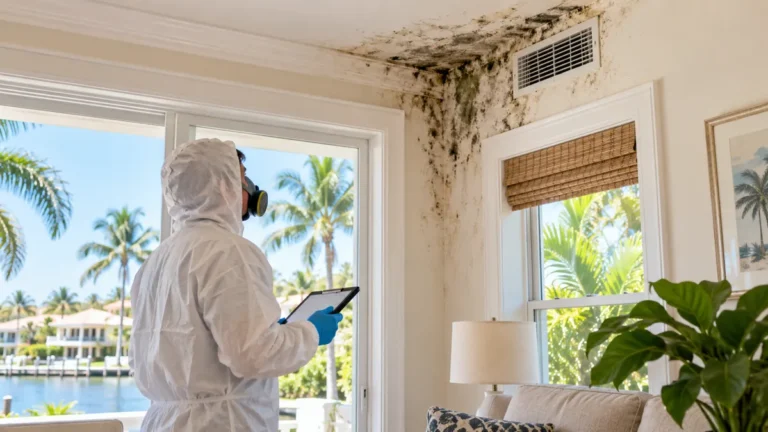
If you cannot determine where the moisture is coming from, or mold keeps returning after cleaning, a professional mold inspection can help assess the affected areas and guide the next steps.
When Should You Call a Mold Removal Professional in Boca Raton?
Consider professional help if mold continues to return, a leak has affected several areas, or you suspect growth behind walls or above ceilings. You should also seek an assessment when building materials remain damp or the source of a musty smell is unclear.
In Boca Raton, warm temperatures and high outdoor humidity can make moisture control especially important. However, mold problems still need to be assessed based on the actual conditions inside your home.
Sunrise Home Solutions can help homeowners in Boca Raton understand the next steps when mold is suspected. Depending on the situation, this may involve assessing affected areas, determining whether mold remediation is needed, and identifying materials that require attention.
Remember that repairing the AC system and addressing existing mold are two separate tasks. Both may be necessary to prevent the problem from returning.
Keep AC Moisture Problems From Turning Into Mold Damage
Your air conditioner does not automatically cause mold, but clogged drains, condensation, leaks, and excess indoor humidity can create the conditions mold needs to grow.
If you notice a musty smell, water stains, or visible growth near your AC system, do not simply paint over the damage or keep cleaning the same spot. Find the moisture source first.
If you suspect mold in your Boca Raton home, Sunrise Home Solutions can help you explore the appropriate next steps for inspection and mold removal.