Mold on the Ceiling: Causes, Warning Signs, and Removal
Finding dark spots on your ceiling can be frustrating, especially when they keep returning after cleaning. Mold on the ceiling often develops when moisture builds up because of high humidity, poor ventilation, plumbing leaks, or roof damage.
In Boca Raton, Florida, warm temperatures and humid weather can make moisture control particularly important. Understanding what causes ceiling mold can help you identify the problem, address its source, and determine when professional mold removal may be necessary.
What Does Mold on a Ceiling Look Like?
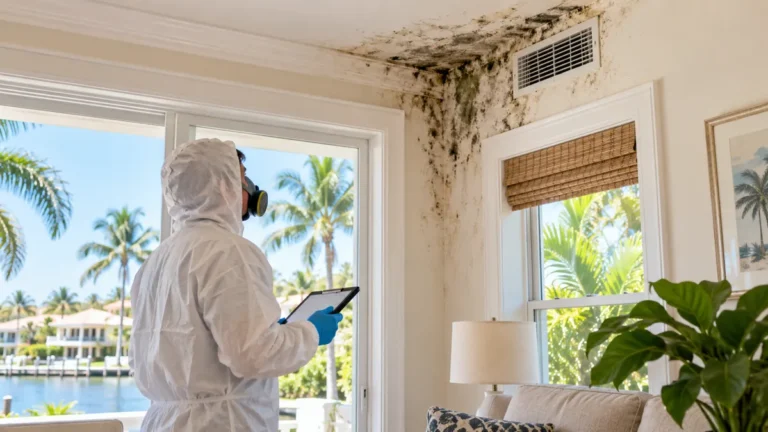
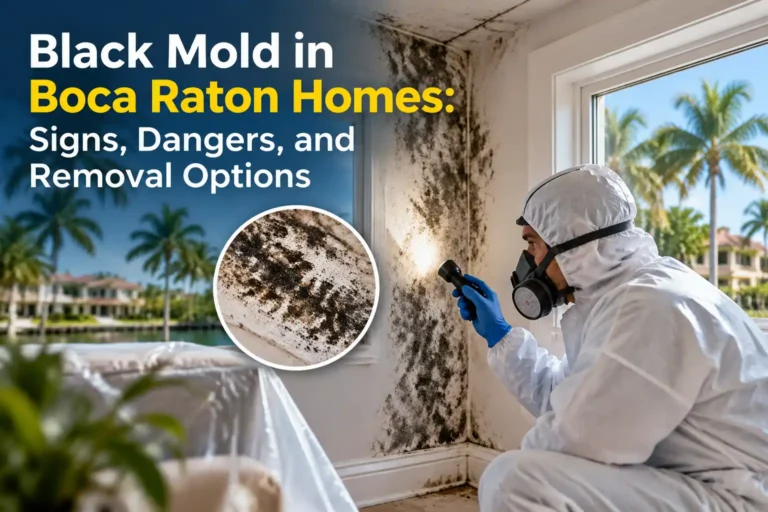
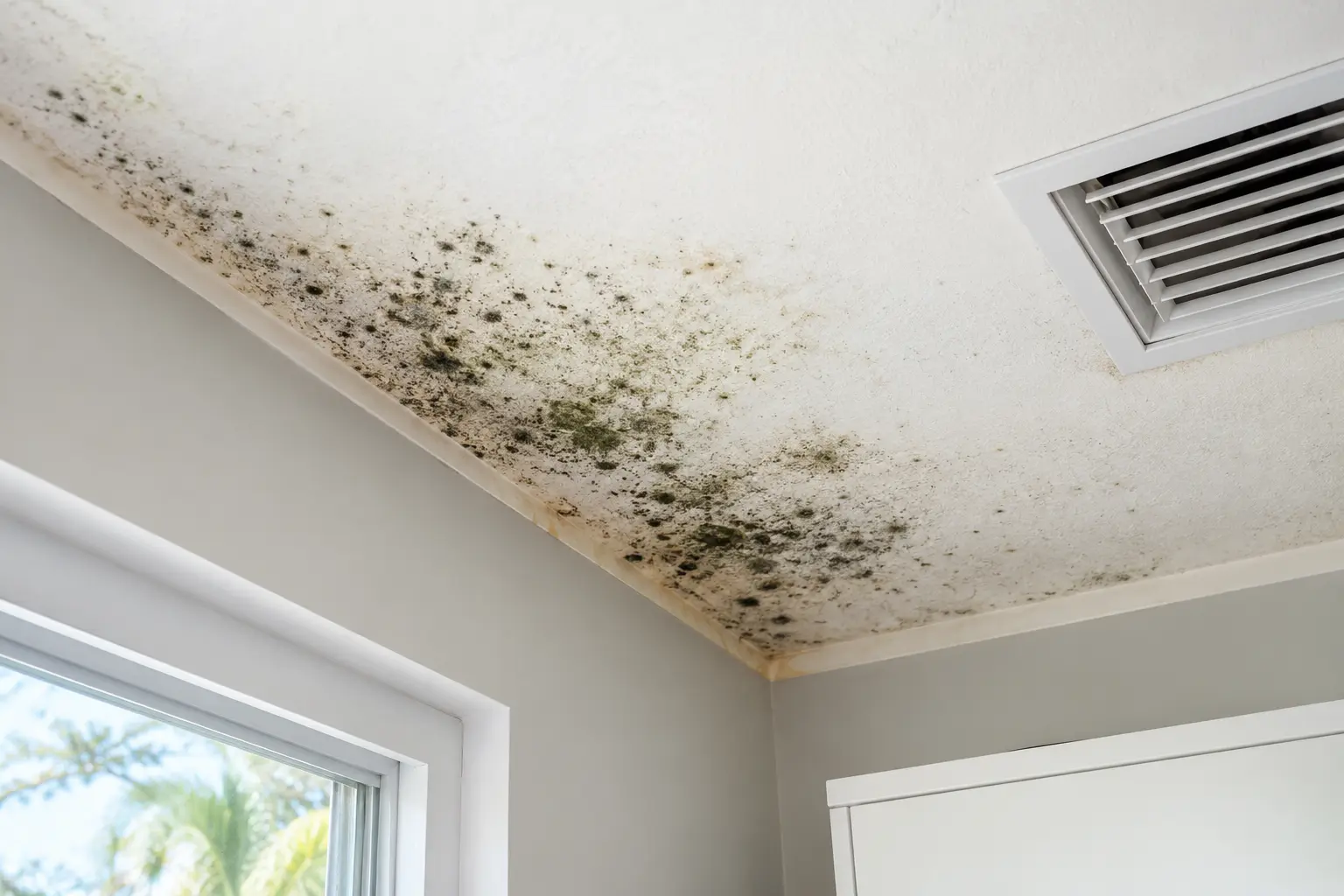
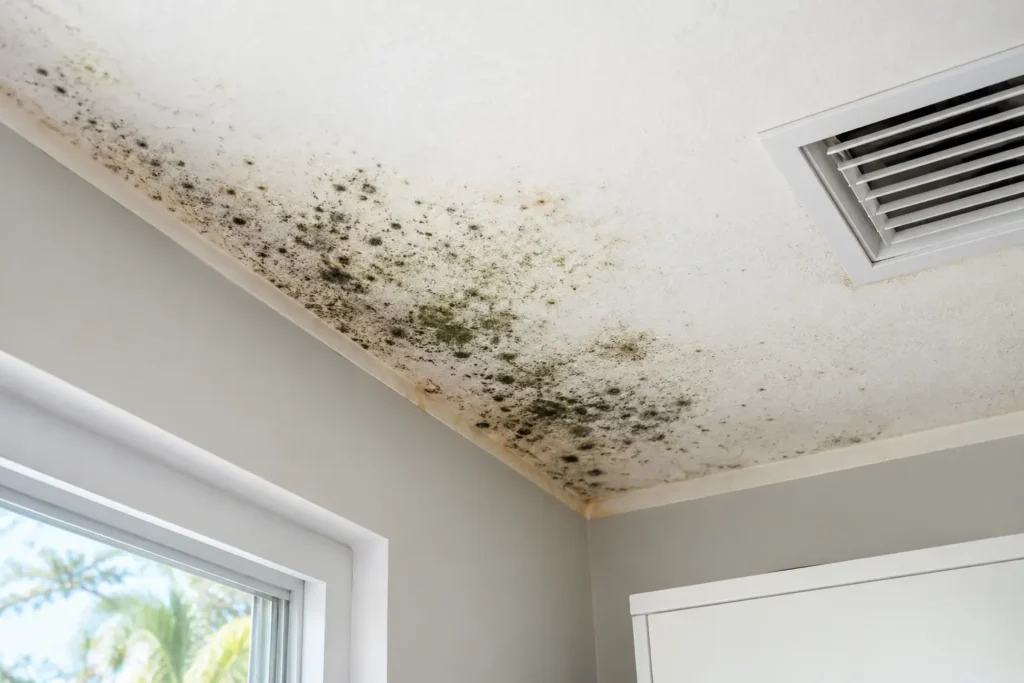
Ceiling mold does not always look the same. It may appear as small black dots, greenish patches, gray discoloration, or irregular spots that gradually spread across the surface. Sometimes, the affected area also develops a musty smell.
Common warning signs include:
- Dark spots around air conditioning vents or bathroom ceilings
- Discoloration that continues to spread
- Paint that bubbles, peels, or cracks
- Damp patches or water stains
- A persistent musty odor in the room
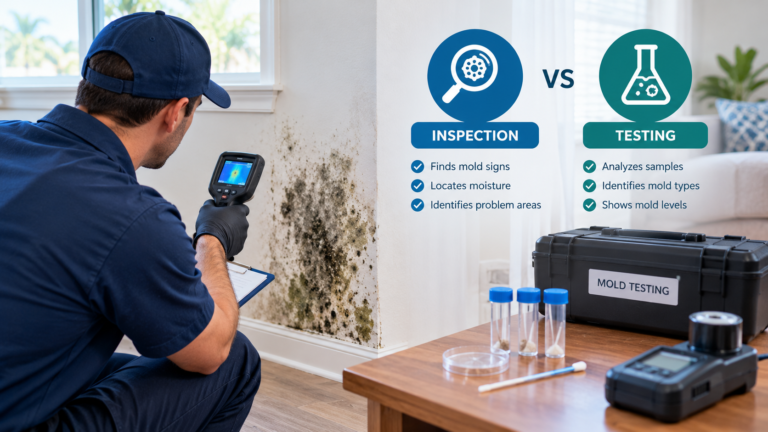
Not every dark ceiling stain is mold. Water damage, dirt, and other types of discoloration can look similar. If a stain remains after the moisture source has been fixed, further inspection may help determine what is happening.
What Causes Mold to Grow on Ceilings?
Mold needs moisture and a suitable surface to grow. Several household problems can create the conditions it needs.
1. High Indoor Humidity
Florida’s humid climate can make it difficult to keep indoor moisture under control, particularly during warmer months. When humid air meets a cooler ceiling surface, condensation may form. Repeated moisture exposure can encourage mold growth.
Running an air conditioner does not automatically solve every humidity problem. Poor system performance, inadequate dehumidification, and moisture entering the home can all contribute to the issue.
2. Roof Leaks
A damaged roof can allow rainwater to enter the attic and ceiling structure. You might notice brown water stains, peeling paint, or soft drywall before visible mold appears.
After heavy rain or a storm in Boca Raton, check for new ceiling discoloration and signs of moisture. A roof leak should be repaired before damaged materials are restored or painted.
3. Bathroom Ventilation Problems
Bathrooms produce moisture during showers and baths. Without adequate ventilation, warm, humid air can collect near the ceiling and condense on cooler surfaces.
Mold commonly develops around shower areas, ceiling corners, and exhaust fans when moisture remains for extended periods. Using a properly vented bathroom exhaust fan can help reduce this buildup.
4. Air Conditioning Condensation
Air conditioning systems remove heat and moisture from indoor air, but drainage or insulation problems can create additional moisture.
A clogged condensate drain, leaking component, or poorly insulated duct may cause water to collect around a ceiling vent. If you notice recurring dampness near an air conditioning outlet, have the source investigated instead of simply cleaning the affected area.
5. Plumbing Leaks
Water pipes running above a ceiling can leak slowly without creating an obvious puddle. Over time, the drywall may become damp, paint may discolor, and mold may develop.
A growing water stain, sagging ceiling, or soft surface deserves prompt attention. A plumber may need to locate and repair the leak before mold remediation can be completed.
Is Mold on the Ceiling Dangerous?
The level of concern depends on the extent of the growth, the moisture source, the materials affected, and the people using the room. Exposure to indoor mold can cause allergic reactions or irritation in some people. Those with asthma or mold allergies may be particularly sensitive.
You cannot reliably determine the type of mold or its potential health effects from its color alone. Black spots, for example, do not automatically mean that a particular highly toxic mold is present.
Avoid disturbing large or widespread areas of suspected mold. If the growth covers a substantial area, keeps returning, or follows significant water damage, consider a professional assessment to determine the appropriate next steps.
How to Remove Mold from a Ceiling
The right approach depends on the affected material, the size of the area, and whether moisture has damaged the ceiling.
Identify and Fix the Moisture Source
Start by determining why the ceiling became damp. This may involve repairing a roof leak, fixing plumbing, improving bathroom ventilation, or addressing an air conditioning drainage problem.
Removing visible mold without correcting the underlying moisture issue often allows the problem to return.
Assess the Affected Material
A small area of surface growth on a suitable, intact, nonporous surface may be manageable with appropriate precautions. However, drywall, ceiling tiles, and other porous materials can absorb moisture and may have mold growth beyond what is visible.
Do not scrape, sand, or aggressively brush suspected mold, as these actions can release particles into the air. Avoid painting over affected areas before the moisture problem and mold have been properly addressed.
Know When to Call a Professional
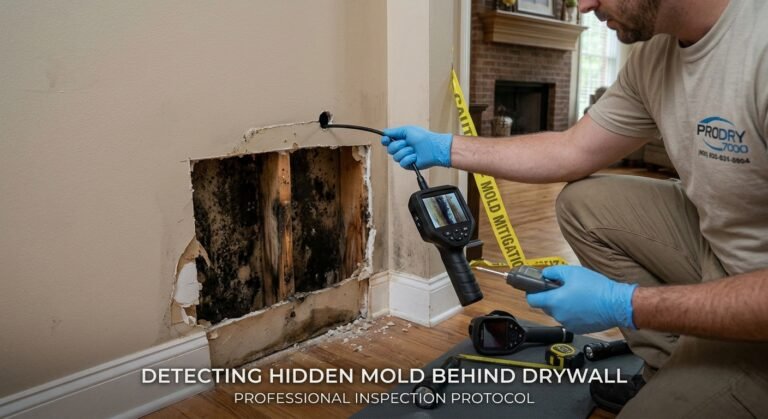
Professional mold remediation may be appropriate when the affected area is extensive, the ceiling is damaged, mold keeps returning, or growth may extend into the attic or ceiling cavity.
A qualified professional can assess the affected materials, identify contributing moisture problems, and recommend suitable remediation measures. Significant water damage or a sagging ceiling may also require a contractor to evaluate the structure.
How to Prevent Ceiling Mold in Boca Raton
Preventing mold starts with controlling moisture before it becomes a recurring problem.
- Control indoor humidity: Aim for indoor relative humidity below 60%, ideally around 30% to 50% when practical.
- Use bathroom exhaust fans: Run them during showers and afterward to help remove humid air.
- Maintain your AC system: Replace filters as recommended and arrange maintenance if drainage or cooling problems develop.
- Repair leaks promptly: Address roof, plumbing, and air conditioning leaks as soon as possible.
- Check vulnerable areas: Look around ceiling vents, bathroom corners, and areas below the roof after heavy rain.
- Dry wet materials quickly: Address water damage promptly rather than allowing damp drywall or insulation to remain wet.
These steps help reduce moisture, although they cannot guarantee that mold will never develop.
When Should You Seek Professional Mold Removal?
If ceiling mold covers a large area, returns after cleaning, or appears alongside persistent moisture, professional help may be the safest and most practical option. The same applies when you suspect hidden growth above the ceiling or within the attic.
Sunrise Home Solutions can help Boca Raton homeowners explore their mold removal options and understand the next steps for addressing suspected ceiling mold. Resolving the moisture source and treating affected materials appropriately are both important parts of preventing recurring problems.
Do not ignore a ceiling stain that keeps spreading. Investigating the cause early can help limit further damage and make the appropriate repair or remediation process easier to plan.