Types of Bad Mold: Common Mold Problems Homeowners Should Know
Mold is a common problem in many homes, especially in areas with high humidity and moisture. While some mold growth may seem minor, certain types of mold can spread quickly and create bigger problems for your property.
Understanding the types of bad mold can help homeowners recognize warning signs early. It can also help you decide when professional mold removal may be necessary.
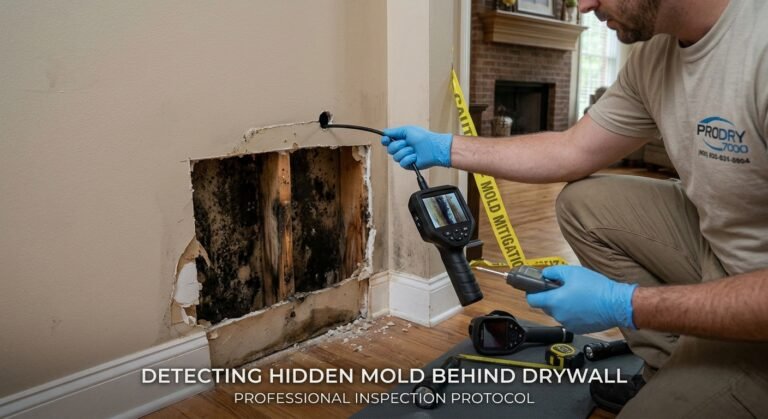
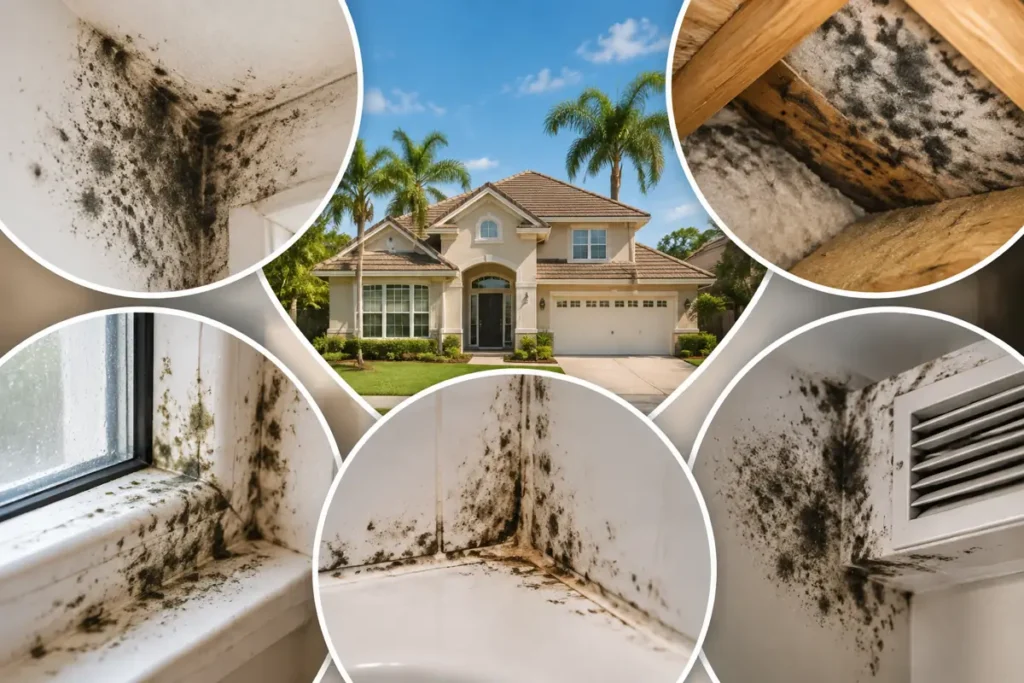
Mold often grows in hidden areas such as behind walls, under flooring, inside cabinets, and around HVAC systems. Finding the source of moisture is an important step in stopping mold growth.
Why Mold Growth Becomes a Problem
Mold needs moisture, oxygen, and a food source to grow. Homes with leaks, flooding, poor ventilation, or high humidity can provide the right conditions for mold development.
Florida homes, for example, often face moisture challenges because of warm temperatures, humidity, and heavy rainfall. These conditions can increase the chance of mold growth if water problems are not handled quickly.
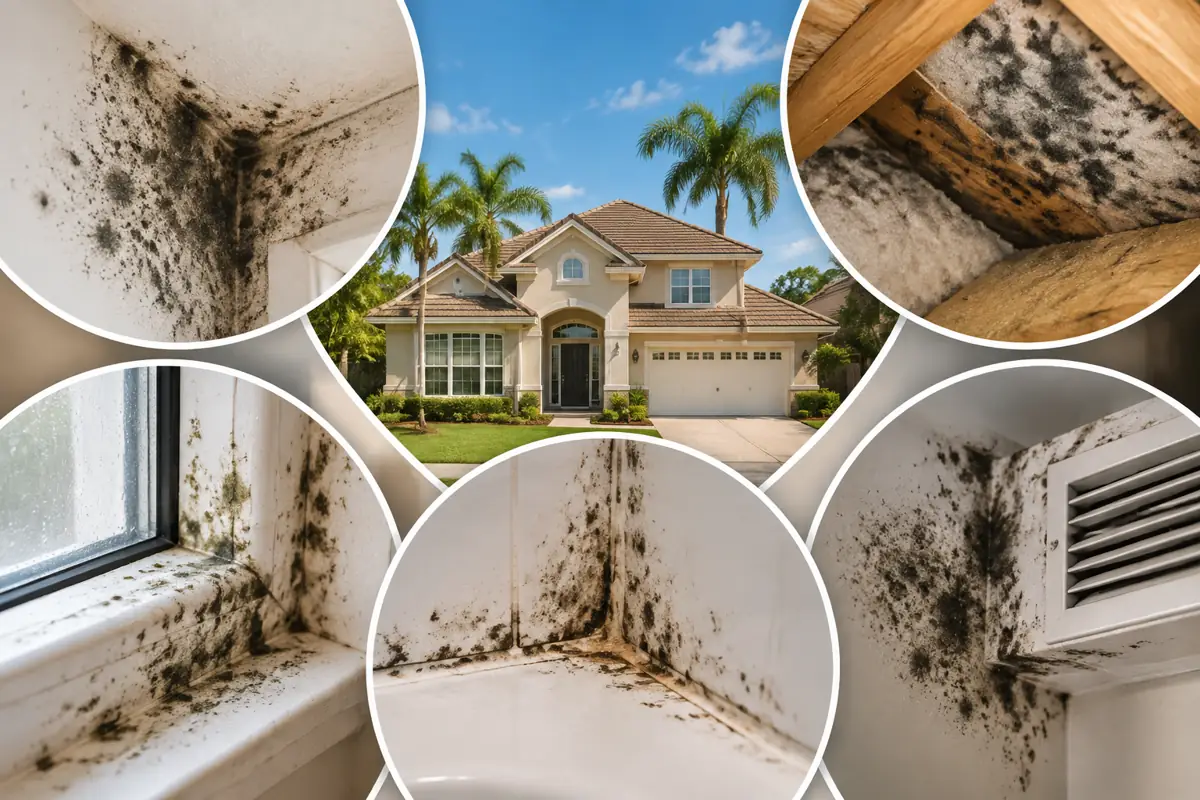
Not all mold looks the same. Some types appear as dark spots, while others may look green, white, or powdery.
Common Types of Bad Mold Found in Boca Raton Homes
Different mold species can grow indoors. Some are more concerning because they spread easily or indicate ongoing moisture problems.
1. Black Mold (Stachybotrys)
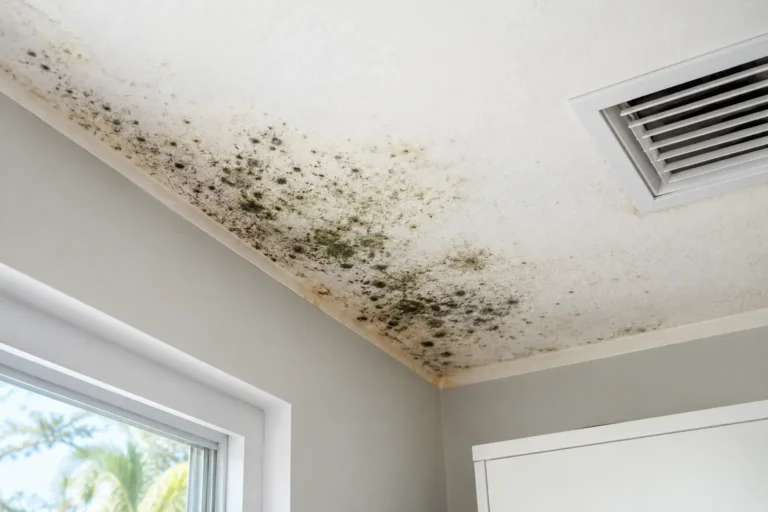
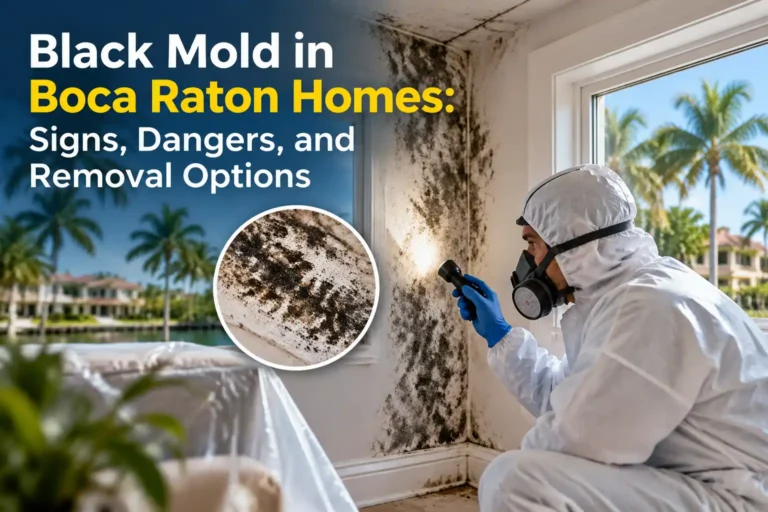
Black mold is one of the most recognized mold types among homeowners. It usually grows in areas with long-term moisture problems, such as water-damaged walls, ceilings, and wood materials.
It often appears as dark green or black patches. However, color alone cannot confirm the type of mold present.
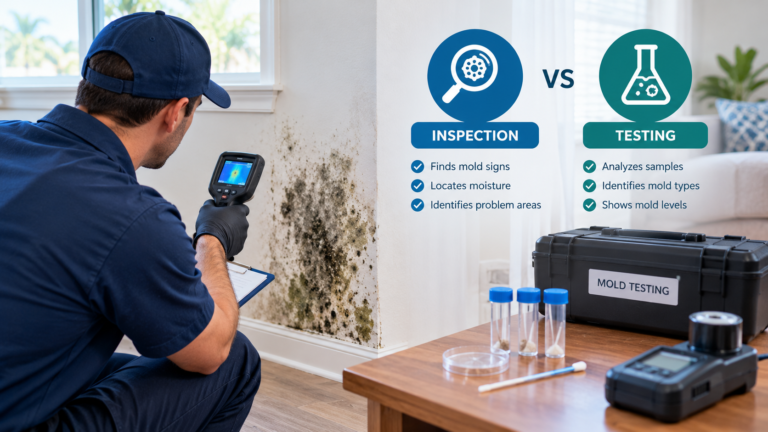
A professional inspection is needed to identify the mold type and understand the extent of the problem.
2. Aspergillus Mold
Aspergillus is a common indoor mold that can grow on many surfaces, including walls, insulation, and fabrics.
This mold can spread through airborne particles and may continue growing if moisture problems remain untreated.
It is often found in areas affected by water damage or poor ventilation.
3. Penicillium Mold
Penicillium is another common household mold. It may appear in areas with moisture issues, including carpets, wallpaper, and damaged building materials.
Many homeowners notice this mold after water leaks or flooding events.
Removing visible growth without fixing the moisture source may allow the mold to return.
4. Cladosporium Mold
Cladosporium can grow in both warm and cool areas. It is commonly found around windows, air conditioning systems, and damp surfaces.
This mold may appear in shades of green, brown, or black.
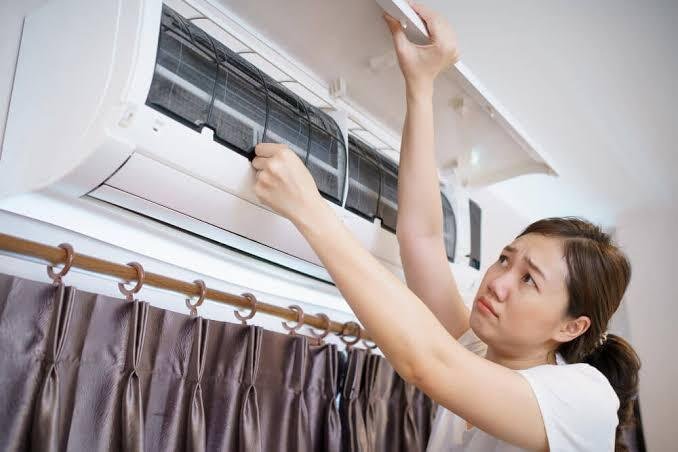
Because HVAC systems can spread airborne particles throughout a home, mold around these areas should be inspected carefully.
5. Alternaria Mold
Alternaria is commonly found in damp areas such as bathrooms, kitchens, and areas near water leaks.
It has a soft, velvety appearance and may have dark brown or green coloring.
This mold can grow quickly when moisture problems are ignored.
Signs You May Have a Mold Problem
Many homeowners do not notice mold immediately because it can grow in hidden locations.
Common warning signs include:
- Musty odors inside the home
- Dark spots on walls or ceilings
- Water stains
- Peeling paint or wallpaper
- Recent flooding or leaks
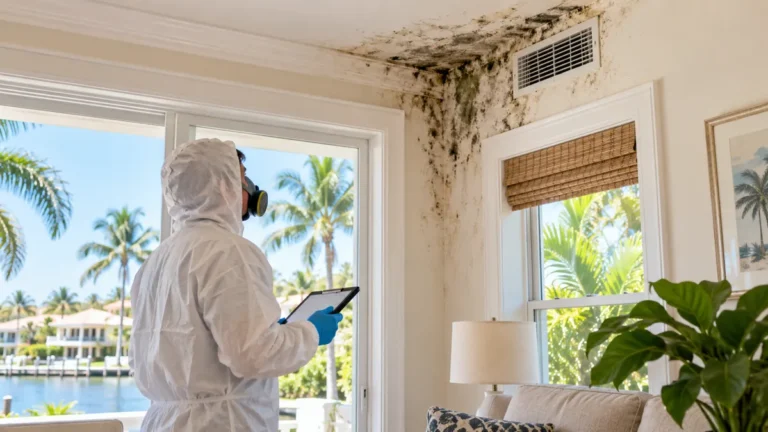
- Moisture buildup near windows or HVAC systems
- Mold growth in bathrooms or crawl spaces
If you notice these signs, it is important to investigate the cause instead of only cleaning the visible area.
Where Bad Mold Usually Grows
Mold can grow almost anywhere moisture is present. Common areas include:
Bathrooms
Bathrooms have frequent exposure to steam and water. Poor ventilation can create conditions where mold grows around showers, ceilings, and grout lines.
Attics
Roof leaks, poor airflow, and insulation problems can cause moisture buildup in attics. Mold in these areas can remain hidden for long periods.
Crawl Spaces
Crawl spaces often have limited airflow and higher humidity levels. Moisture in these areas can contribute to mold growth throughout the home.
HVAC Systems
Air conditioning systems can collect moisture through condensation. If mold develops near HVAC components, it may affect indoor air quality.
Protect Your Home From Mold Problems
Preventing mold starts with controlling moisture. Homeowners can reduce risks by:
- Repairing leaks quickly
- Improving ventilation
- Using dehumidifiers when needed
- Checking areas after storms
- Maintaining air conditioning systems
- Drying wet materials quickly
Regular maintenance can help prevent small moisture issues from becoming major mold problems.
For homeowners in Boca Raton, controlling indoor moisture is especially important because of Florida’s humid climate.
Can You Remove Bad Mold Yourself?
Small areas of surface mold may sometimes be cleaned with proper methods. However, larger mold problems require more attention.
Professional mold removal may be needed when:
- Mold covers a large area
- Growth is inside walls or ceilings
- There has been water damage
- Mold keeps coming back
- The source of moisture is unknown
Removing mold without fixing the moisture problem usually does not solve the main issue.
Need Professional Mold Removal Help From Sunrise Home Solution?
Different types of bad mold require different solutions. If you notice mold growth, unusual odors, or signs of moisture damage, Sunrise Home Solution can help identify the cause and recommend the right solution.
A professional mold removal team can inspect affected areas, remove mold safely, and help protect your property from future problems.
Do not wait for mold growth to spread. Contact Sunrise Home Solution to schedule an inspection and take the right steps toward a cleaner home.